A crash on the I-8, the 805, or a Mission Valley side street can leave you shaken and unsure what to do next. Here is a plain, step-by-step answer, in the order things usually happen.
1. Stop, get safe, and check for injuries
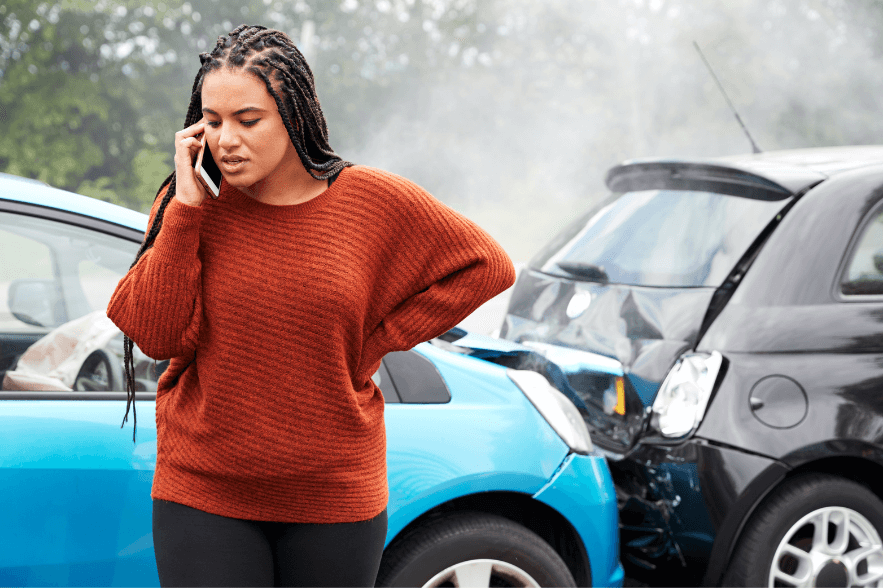
California law requires every driver involved in a collision to stop at the scene (Vehicle Code §§ 20001 and 20002). If you can, move the car out of traffic, turn on hazard lights, and check yourself and your passengers. If anyone is hurt, call 911. Adrenaline can hide pain, so don’t decide you’re “fine” in the first five minutes.
2. Call the police when it makes sense
If anyone is injured, call 911. Within the City of San Diego, the San Diego Police Department handles most street crashes; the California Highway Patrol (CHP) handles freeways. A police report isn’t required for every fender-bender, but it creates a neutral record of what happened, which helps later.
3. Exchange information — and only information
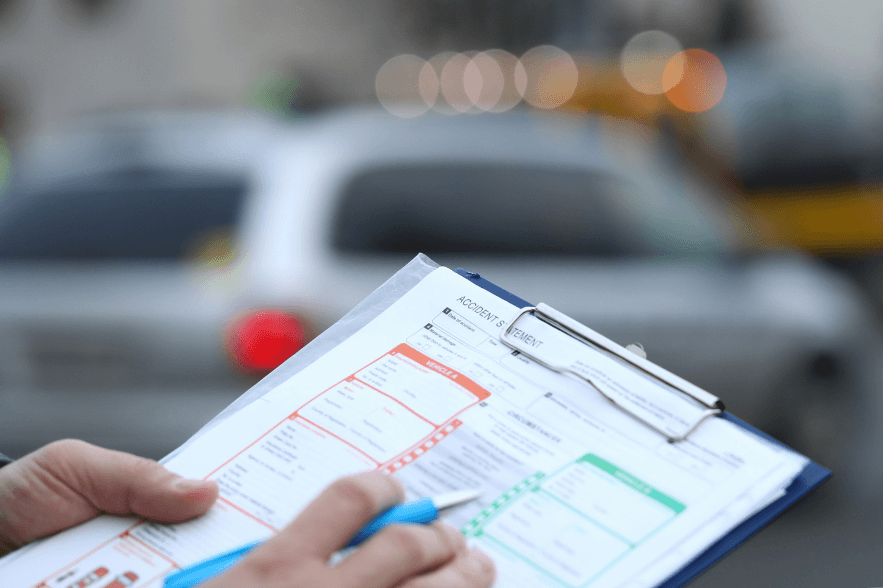
California law requires drivers to exchange names, addresses, driver’s license numbers, vehicle registration, and insurance information. Get:
– The other driver’s name, phone, license, and plate number
– Their insurance company and policy number (photograph the card)
– Names and phone numbers of witnesses
Be polite, but don’t argue about fault or apologize. An “I’m sorry” can be repeated later as an admission.
4. Take photos and notes
Use your phone to photograph all vehicles, the road, skid marks, traffic signals, weather, and any visible injuries. Write down the time, location, and what you remember while it’s fresh. If there’s a store or home nearby with a camera, note it — footage is often erased within days.
5. Get medical care quickly
See a doctor the same day or as soon as possible, even for “minor” soreness. Whiplash, concussions, and back injuries often show up hours or days later. Medical records made soon after the crash are the clearest link between the accident and your injuries. Follow your treatment plan and keep every bill and receipt.
6. Report the crash to the DMV within 10 days
If anyone was injured or killed, or property damage was over $1,000, each driver must file an SR-1 report with the California DMV within 10 days (Vehicle Code § 16000). This applies even if the police made a report and even if the crash wasn’t your fault.
7. Notify your own insurance company
Most policies require prompt notice. Stick to the facts: when, where, and what vehicles were involved. You don’t have to give a recorded statement to the other driver’s insurer, and it’s usually wise to talk with an attorney first.
8. Be careful with the other driver’s insurance company
The adjuster’s job is to pay as little as possible. Early lowball offers are common, often before you know how badly you’re hurt. Once you sign a release, you generally can’t reopen the claim.
9. Stay off social media about the crash
Photos of you at the gym or the beach can be used to argue you aren’t really hurt. Keep posts private or skip them until your claim is resolved.
10. Know your deadline
In California, you generally have two years from the date of injury to file a personal injury lawsuit (Code of Civil Procedure § 335.1). If a city, county, or state vehicle or road was involved, you may have only six months to file a government claim. Read more in our guide: How long do I have to file a personal injury claim in California?
11. Talk with an attorney
A short conversation can help you understand your options before you make decisions that are hard to undo. Call or text 619-737-2727. Free consultation. We work on a contingency fee basis. Hablamos español.
Frequently Asked Questions
Do I have to call the police after a minor accident in San Diego?
Not always. You must call if someone is injured or killed. For property-only crashes, a report is optional but helpful. You still must exchange information and file the SR-1 with the DMV if damage exceeds $1,000.
What if the other driver has no insurance?
Your own policy may include uninsured/underinsured motorist (UM/UIM) coverage. Check your declarations page and notify your insurer promptly.
What if I was partly at fault?
California follows “pure comparative fault.” You may still recover damages, reduced by your share of the fault.
Should I accept the insurance company’s first offer?
Be cautious. Early offers are often made before the full extent of injuries is known. Once you sign a release, the claim is usually closed for good.
What if I was hit by an Uber or Lyft driver?
Rideshare companies carry insurance that may apply depending on whether the driver’s app was on and whether they had a passenger. Save screenshots of the ride details.
How much does it cost to talk to a lawyer?
The consultation is free. We work on a contingency fee basis.
Shamon Law, APC · Stewart Shamon, Esq. · 8880 Rio San Diego Dr, Suite 800, San Diego, CA 92108 · 619-737-2727 · shamonlaw.com
This article is general information, not legal advice for your situation. Reading it does not create an attorney-client relationship.
Attorney Advertising. Not legal advice.